


Our presentation on Saturday 12 May 2018, at Spalavera Bookshop in Pallanza, attracted interest of a major regional Italian newspaper. La Stampa Verbania Cusio Ossola presented in its Tuesday edition a long article in Italian that IH has translated in English for our readers.
La Stampa, Italy
The name of the Nazi soldier who killed captain Beltrami, the hero of the Italian Resistance in the region of Ossola, has been discovered after 70 years. Unpublished facts, based on archive materials related to the SS-Police operating on Lake Maggiore, have become public.
by Teresio Valsesia – Edition 15 May 2018, Verbania
German Archives and the SS-Police in Ossola
Unlike other reprisals committed by Germans during the Italian Resistance, those perpetrated in the regions of Verbania and Ossola have never been prosecuted by the Italian magistrate. In fact, an investigation was opened in 1966, but the Military Court of Torino classified it due to the impossibility to ascertain the precise identity of the responsible people. It seems incredible, but no one (investigators, historians or Italian researchers) has ever thought about viewing the German archives.
Instead, Raphael Rues (Swiss-Ticinese, language expert and passionate researcher), has rigorously analysed the primary sources related to the war operations of the SS-Police, the German military body, that conducted activities against the partisans in the regions of Ossola and Lake Maggiore from the end of 1943 till the spring of 1945.
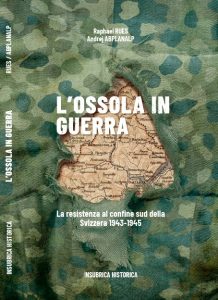
L'Ossola in Guerra: La resistenza al confine sud della Svizzera 1943-1945
Il libro «L’Ossola in Guerra: La resistenza al confine sud della Svizzera 1943–1945» fa luce sul ruolo della Svizzera – in particolare del Ticino e del Vallese – nella lotta di resistenza al confine meridionale durante gli ultimi anni di guerra 1943–1945. Mostra come la neutralità svizzera nella pratica fu ben più di un semplice stare in disparte: attraverso l’accoglienza dei profughi e il sostegno ai partigiani nell’Ossola furono salvate migliaia di vite umane. A 80 anni di distanza, l’opera colma una lacuna nella storiografia svizzera e fornisce un importante contributo al dibattito parlamentare in corso sulla riabilitazione di quelle svizzere e quegli svizzeri che sostennero la resistenza nel Nord Italia.
The names of all German officers emerged from his research, being strictly codified in the documents and preserved not only in Germany but also in Switzerland and in England.
So, after more than twenty years of work, he must be credited for having reconstructed meticulously the events that have remained unpublished until now. In short, it is a real story, not just news.
One of his contributions has been included in the latest issue of “Verbanus”; the magazine has been directed by Vittorio Grassi, and his presentation was reported by Leonardo Parachini in the Spalavera bookshop in Pallanza. The work of Raphael Rues will be also presented as a book, published in Italian, German and English, that will be introduced on 21 June 2018 at the Casa della Resistenza in Fondotoce.
Heino Almstädt and the Death of Captain Beltrami
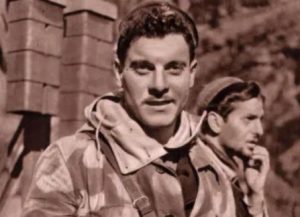
The documents have confirmed that battalions of the SS-Police intervened in the autumn of 1943 trying to cease the insurrection of Villadossola. In February 1944, Captain Ernst Simon left Varallo for Omegna with the task to eliminate the formation of Filippo Maria Beltrami.
The unpublished fact is that the heroic «captain» of the Resistance was killed by soldier Heino Almstädt from Hamburg. Later, Simon left the area to move to Verona organising the convoys that brought Jews to the extermination camps.
Moreover – Rues pointed out – these battalions were itinerant across Europe and Italy; they arrived directly from Norway, but the bloodiest massacres took place in Eastern Europe where the victims were much more numerous than those of the regions of Verbania, Cusio and Ossola: the relationship was 1,500 against 1.
Val Grande Roundup: Revised Casualty Figures
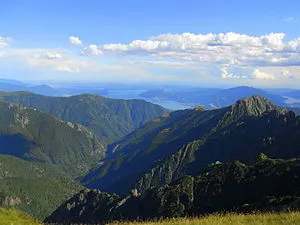
As for the figures of the SS battalions and losses, the numbers have always been overestimated. For example, it was thought over 200 dead partisans and Germans during the roundup in the Val Grande; in reality, a dozen of casualties could be proved, especially in Miazzina and in the bloody battle in the area of Laurasca.
The terrible raid of the Val Grande was directed by two colonels of the SS-Police: Ludwig Buch and Ernst Weiss. The latter celebrated his 50 years birthday on 20 June 1944 in the Villa Caramora, where at the same time 43 partisans where executed massively in nearby Fondotoce.
Ludwig Buch and Ernst Weiss After 1945
As for Colonel Buch, it has been claimed that he committed a suicide in Novara on 28 April 1945, when the Nazi-Fascist troops surrendered. In reality, Buch died in his bed after the war, as did Weiss who died in 1964 in West Germany, waiting for his trial for the crimes committed against Jews. Other SS officers, who operated in the region, were hired in the post-war period as police officers in Germany.
Withdrawal from Ossola and Lake Maggiore
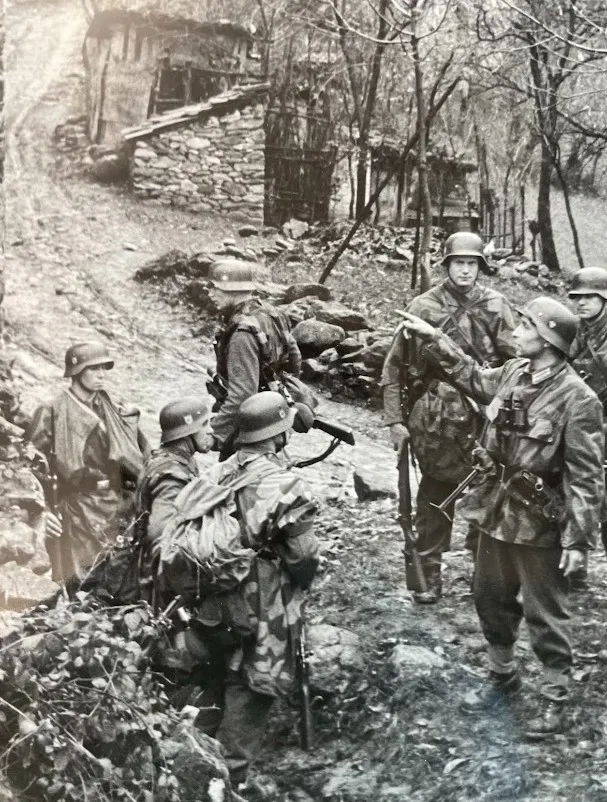
After the re-occupation of Ossola, in October 1944, the SS-Police stopped once in Stresa as it appeared in one of the unpublished photos retrieved by Raphael Rues. They went then to Lake Garda where they were honoured by Benito Mussolini. The epilogue of the war led to the abandonment of the Nazi-Fascist garrisons in the region of Ossola and Lake Maggiore, when the troops merged with the column commanded by captain Ludwig Stamm: there were about 300 men, attacked constantly by the partisans of Vergante.
Stamm, like several other German officers, reappeared after the war in Baveno, in the same hotel that Germans had occupied during the war. It was in 1954, and he was immediately recognised by the owner who did not report him to the authorities. The following morning, he resumed his journey to Florence. Stamm died in his bed in Argentina few years later.

An FAQ to these killings
Who killed Captain Filippo Maria Beltrami? According to SS-Police records analysed by Raphael Rues, Beltrami was killed by the soldier Heino Almstädt from Hamburg. The operation was led by Captain Ernst Simon, who left Varallo for Omegna in February 1944 with the task of eliminating Beltrami’s formation.
Who directed the Val Grande roundup in June 1944? The roundup was directed by two colonels of the SS-Police, Ludwig Buch and Ernst Weiss. On 20 June 1944 Weiss marked his 50th birthday at Villa Caramora while 43 partisans were executed in nearby Fondotoce.
What happened to the SS-Police officers after the war? Ludwig Buch did not commit suicide in Novara on 28 April 1945, as has been claimed, but died after the war. Ernst Weiss died in 1964 in West Germany while awaiting trial for crimes against Jews, and Ludwig Stamm died in Argentina.
Why were the reprisals in Verbania and Ossola never prosecuted in Italy? An investigation was opened in 1966, but the Military Court of Turin closed it because the identity of those responsible could not be established. The German archives had not been consulted.
The events in chronological order
| Date | Event |
|---|---|
| Autumn 1943 | SS-Police battalions intervene against the insurrection of Villadossola |
| February 1944 | Captain Ernst Simon moves from Varallo to Omegna against the formation of Filippo Maria Beltrami, who is killed by soldier Heino Almstädt |
| 20 June 1944 | 43 partisans are executed at Fondotoce during the Val Grande roundup directed by Ludwig Buch and Ernst Weiss |
| October 1944 | Re-occupation of Ossola; the SS-Police stop in Stresa and move on to Lake Garda |
| 28 April 1945 | Surrender of the Nazi-Fascist troops in Novara |
| 1954 | Ludwig Stamm returns to Baveno and is recognised by the hotel owner |
| 1964 | Ernst Weiss dies in West Germany while awaiting trial |
| 1966 | Italian investigation opened and closed by the Military Court of Turin |


